

Korean dramas (K-dramas) have captivated global audiences with their unique storytelling rhythms, emotional depth, and structural innovation.
While Western fiction often prioritises fast-paced plots, K-dramas thrive on deliberate pacing, layered character development, and emotional crescendos.
Their distinctive approach to narrative structure and character development offers valuable lessons for Western novelists seeking to enrich their storytelling techniques.
The Four-Act Framework

At the heart of K-drama storytelling lies a four-act structure derived from East Asian narrative traditions like Kishōtenketsu or Giseungjeongyeol.
Unlike the Western three-act structure, this approach begins with an introduction that establishes characters and relationships without immediate conflict.
The development phase then deepens character dynamics through slice-of-life moments, leading to a pivotal twist or revelation that disrupts the established reality.
Finally, the harmony phase resolves tensions by reconciling the new reality with the story’s initial premise. This structure enables profound emotional investment, as demonstrated in works like Parasite, which transforms from dark comedy to thriller, and Crash Landing on You, which builds romantic tension before introducing broader geopolitical stakes.
Western novelists can adapt this approach by replacing abrupt inciting incidents with extended setup phases that foster deeper audience attachment.
The Art of Pacing
K-dramas typically unfold across 16 episodes, each running 60-90 minutes. This generous timeframe allows for nuanced character development and relationship building.
Romance series like Goblin and Hometown Cha-Cha-Cha invest six to eight episodes in developing mutual understanding before any romantic payoff. This deliberate pacing creates space for multiple subplots, including family conflicts, career struggles, and friendships, while maintaining narrative coherence.
Western storytelling often compresses similar arcs into eight to ten episodes, potentially sacrificing depth for efficiency. However, novels like Normal People demonstrate the power of K-drama-like pacing, showing how prioritising internal growth over external plot can create more resonant narratives.
Authors can achieve this by extending their rising action, allowing conflicts to simmer through minor misunderstandings or societal pressures before reaching critical moments.
Emotional Depth and Resonance
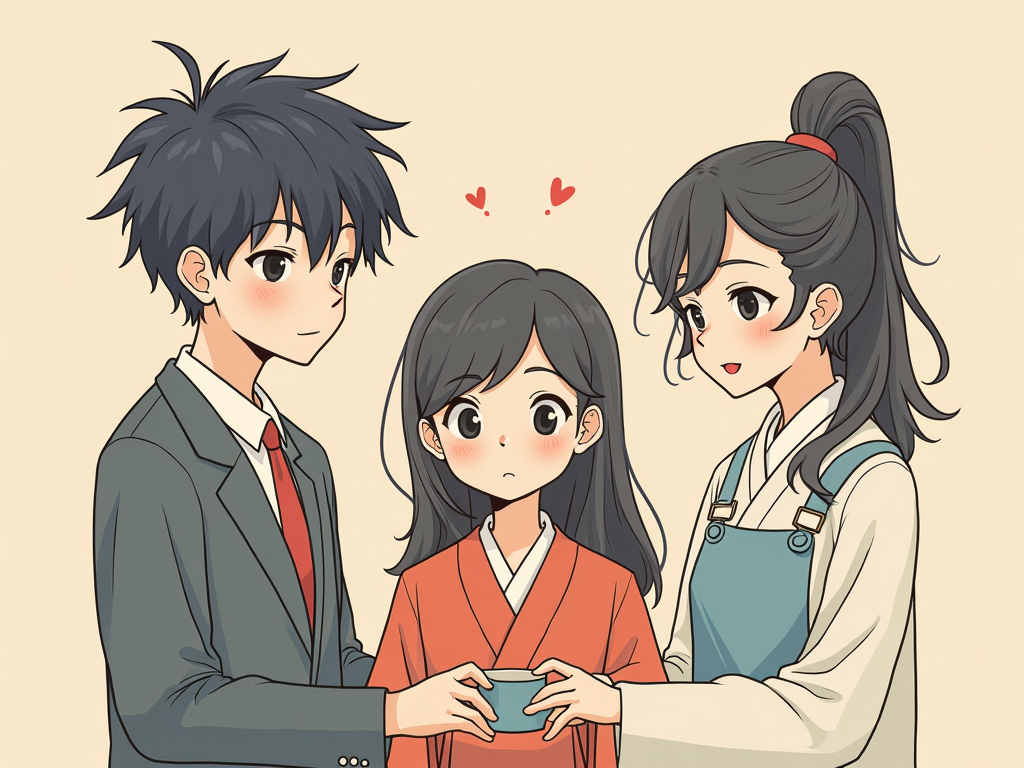
The hallmark of K-drama storytelling lies in its sophisticated emotional layering. These narratives excel at blending humour, romance, and tragedy while teaching viewers to articulate complex feelings through observational learning.
Even intense thrillers like Flower of Evil incorporate moments of levity to prevent emotional exhaustion. This approach often employs symbolic motifs – rain signifying renewal, scars representing past trauma – to amplify thematic resonance.
It’s Okay to Not Be Okay exemplifies this technique by weaving childhood fairy tales through adult struggles, creating a powerful emotional throughline.
Western authors can adopt similar strategies by developing dual perspectives that build empathy across conflicts and linking emotional beats to sensory details that deepen their impact.
Cultural Integration
K-dramas demonstrate remarkable skill in balancing cultural specificity with universal themes. They navigate Confucian family hierarchies and contemporary social issues while maintaining broad emotional appeal.
Western authors can similarly localise these techniques by exploring how family expectations shape character decisions or integrating social commentary into personal conflicts.
Min Jin Lee’s Pachinko offers a masterclass in applying K-drama pacing to Western literature. The novel spans generations to explore diaspora identity through both intimate moments and sweeping cultural changes, demonstrating how K-drama techniques can enhance longer narrative forms.
Crafting Your Story
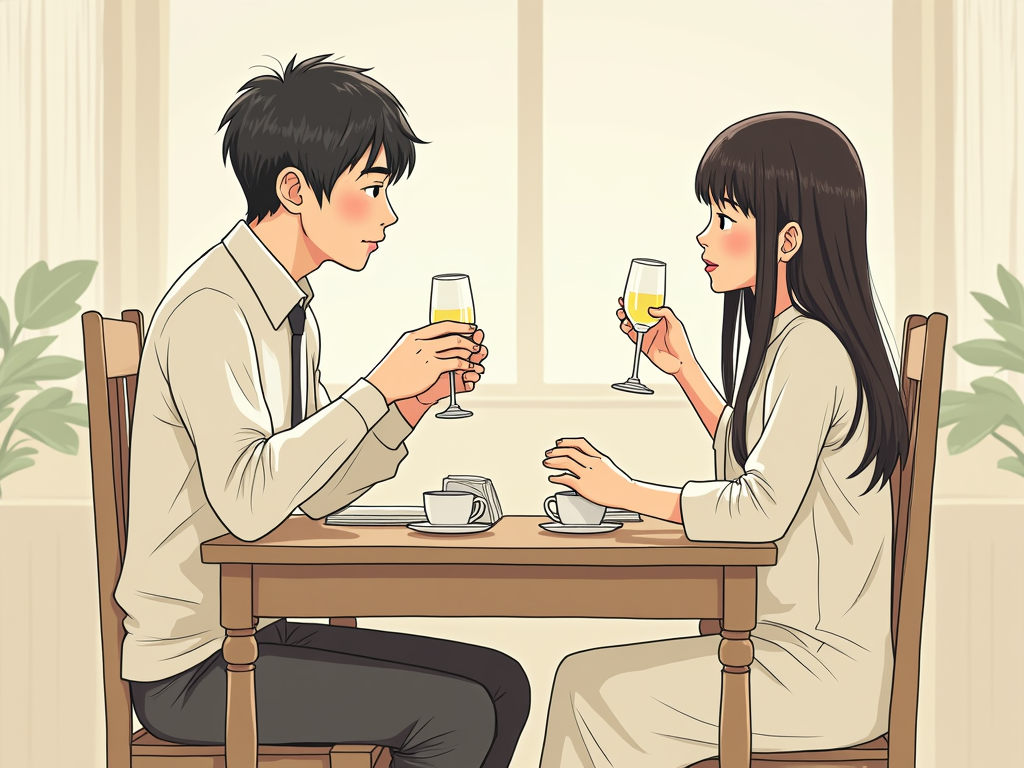
To implement these techniques effectively, consider structuring your novel around four acts rather than traditional chapters. This approach allows for more nuanced character development and carefully paced reveals.
Develop subplots that deepen your world-building without overshadowing the main narrative. Most importantly, resist the urge to rush emotional payoffs – let your characters’ relationships develop naturally through small gestures and shared experiences rather than explicit declarations.
Remember that the power of K-drama storytelling lies not in rapid plot progression but in the careful accumulation of emotional resonance. By adapting these techniques thoughtfully,
Western authors can create richer, more engaging narratives that connect deeply with readers while maintaining their own cultural authenticity.